Burst Pipe Water Damage in Glendale: Steps and Repair Costs
A burst pipe in your Glendale home pushes between 4 and 8 gallons of water per minute into your walls, subfloor, and finished spaces. Within the first 60 minutes you can lose drywall, hardwood, and personal property worth thousands. Within 24 to 48 hours, microbial growth begins. This guide from Glendale Water Restoration is built for execution, not theory. If you are reading this with water actively spreading, skip to Step 1 and call us at the same time.
Glendale Water Restoration has served Central Indiana since 2018. We are IICRC Certified, BBB A+ rated, and we work direct with every major insurance carrier in Glendale. Our crews arrive with truck mounted extractors, LGR dehumidifiers, and moisture meters calibrated to ASD and IICRC S500 standards. The steps below mirror the exact protocol our technicians follow on arrival. Use them now to limit loss, document the claim correctly, and avoid the two most expensive mistakes homeowners make: drying too slow and tearing out too much. Every number you see (drying times, equipment counts, cost ranges) reflects actual Glendale jobs from the last 24 months. If your situation falls outside these ranges, we will tell you directly when we walk the property. No upsell, no scare tactics, just the work that needs doing.
Problem: Water Is Still Flowing and You Cannot Find the Source
Most Glendale homeowners do not know where their main shutoff valve is until water is already pouring through a ceiling. The pipe could be behind drywall, under a slab, in a crawlspace, or above a finished basement. Every minute you spend looking is another gallon into your flooring.
Problem: You Want to Prevent the Next Burst Before It Happens
Once you have lived through one burst pipe, the goal becomes never again. Pipes fail for predictable reasons in Glendale homes: uninsulated runs against exterior walls, aging galvanized or polybutylene lines, sudden temperature drops, and excessive water pressure pushing past eighty PSI.
Solution: Understand the Real Cost Ranges Before You Sign Anything
Here is what burst pipe restoration typically runs in the Glendale market, based on jobs we have completed:
- Minor single room event with quick response: 1,500 to 3,500 dollars for extraction, drying, and minor drywall repair.
- Multi room damage with affected flooring and ceiling: 4,000 to 10,000 dollars including controlled demolition and material replacement.
- Whole floor or multi level event with Category 2 water: 12,000 to 28,000 dollars depending on hardwood, cabinet, and insulation replacement.
- Crawlspace or basement burst with structural saturation: 8,000 to 25,000 dollars, often involving vapor barrier replacement and dehumidification for seven to ten days.
Most homeowners insurance policies cover sudden and accidental burst pipe damage, including the cost of tearing out walls to access the pipe. They typically do not cover the pipe repair itself or damage from a slow leak you ignored. Our team coordinates directly with your adjuster and provides the documentation required to support your claim through full water damage restoration, so you are not negotiating alone.
Solution: Address the Conditions That Caused the Failure
After we finish drying and repairs, Glendale Water Restoration walks the home with you to flag the weak points. That might mean adding pipe insulation sleeves in the crawlspace, installing a pressure regulator at the main, replacing a section of corroded supply line, or recommending a smart leak detector that shuts the main valve automatically when it senses moisture. These upgrades typically cost a fraction of the restoration bill you just paid and dramatically reduce the odds of a repeat event in the same home.
Problem: Water Has Already Soaked Into Floors, Walls, and Belongings
Even after the leak stops, the damage keeps spreading. Drywall wicks water vertically up to twenty four inches. Engineered hardwood cups within two hours. Carpet pad holds three to five times its weight in water and pushes that moisture down into the subfloor.
Problem: You Have No Idea What This Is Going to Cost
Burst pipe quotes vary wildly because the visible damage is rarely the full damage. A homeowner sees a wet ceiling and assumes a thousand dollar fix. The real number depends on how far the water traveled, what materials it touched, and how long it sat.
Problem: The Visible Mess Is Gone but You Are Not Sure It Is Truly Dry
This is where DIY jobs fail. Surfaces feel dry to the touch within two days, but the subfloor, wall cavities, and insulation can hold moisture for weeks. That trapped moisture is exactly what feeds mold colonies and rotting joists.
Solution: Kill the Water Supply First, Investigate Second
Forget locating the exact leak. Your only job in the first five minutes is to stop the flow at the source.
- Find your main water shutoff. In most Glendale homes it sits in the basement near the front foundation wall, in a utility closet, or near the water heater. Older homes built before 1980 sometimes have it outside in a buried valve box.
- Turn the valve clockwise until it stops. If it is a lever, rotate it ninety degrees.
- Open the lowest faucet in the house to drain remaining pressure from the lines, then kill power to any circuits near the wet area at your breaker panel.
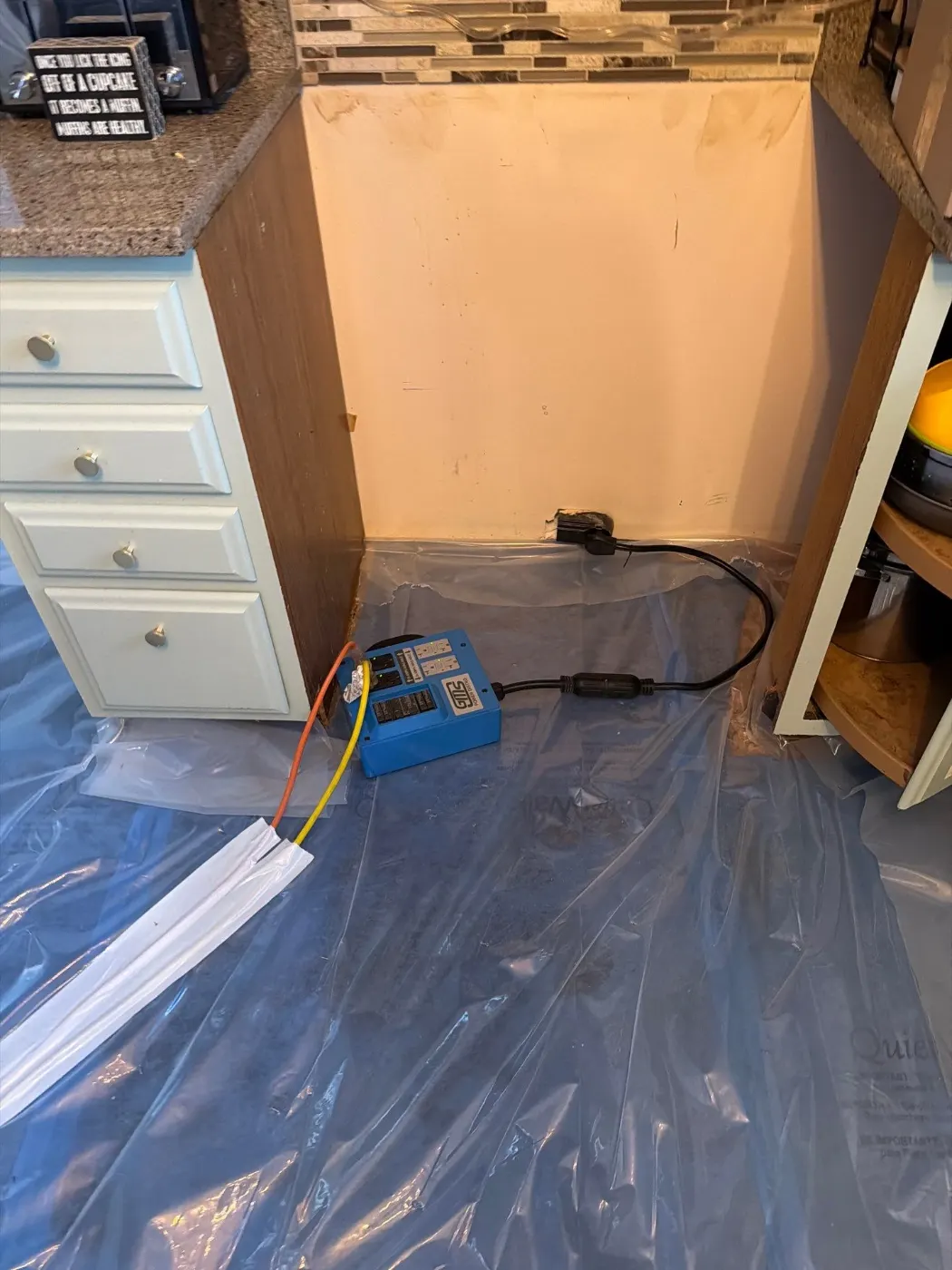
Once the water stops, take photos and short videos before you move anything. Insurance adjusters want timestamped evidence of the original condition, and our team uses those same images when we walk through your water damage insurance claim with you. If you cannot locate the interior shutoff at all, your street side curb stop is the backup. It usually sits in a small metal cover near the sidewalk and requires a long T-shaped key to operate. Some Glendale water departments will dispatch a technician to shut it down for you, but response times during weekends or storms can exceed an hour, which is time your home does not have.
Solution: Verify Dry With Equipment, Not Assumptions
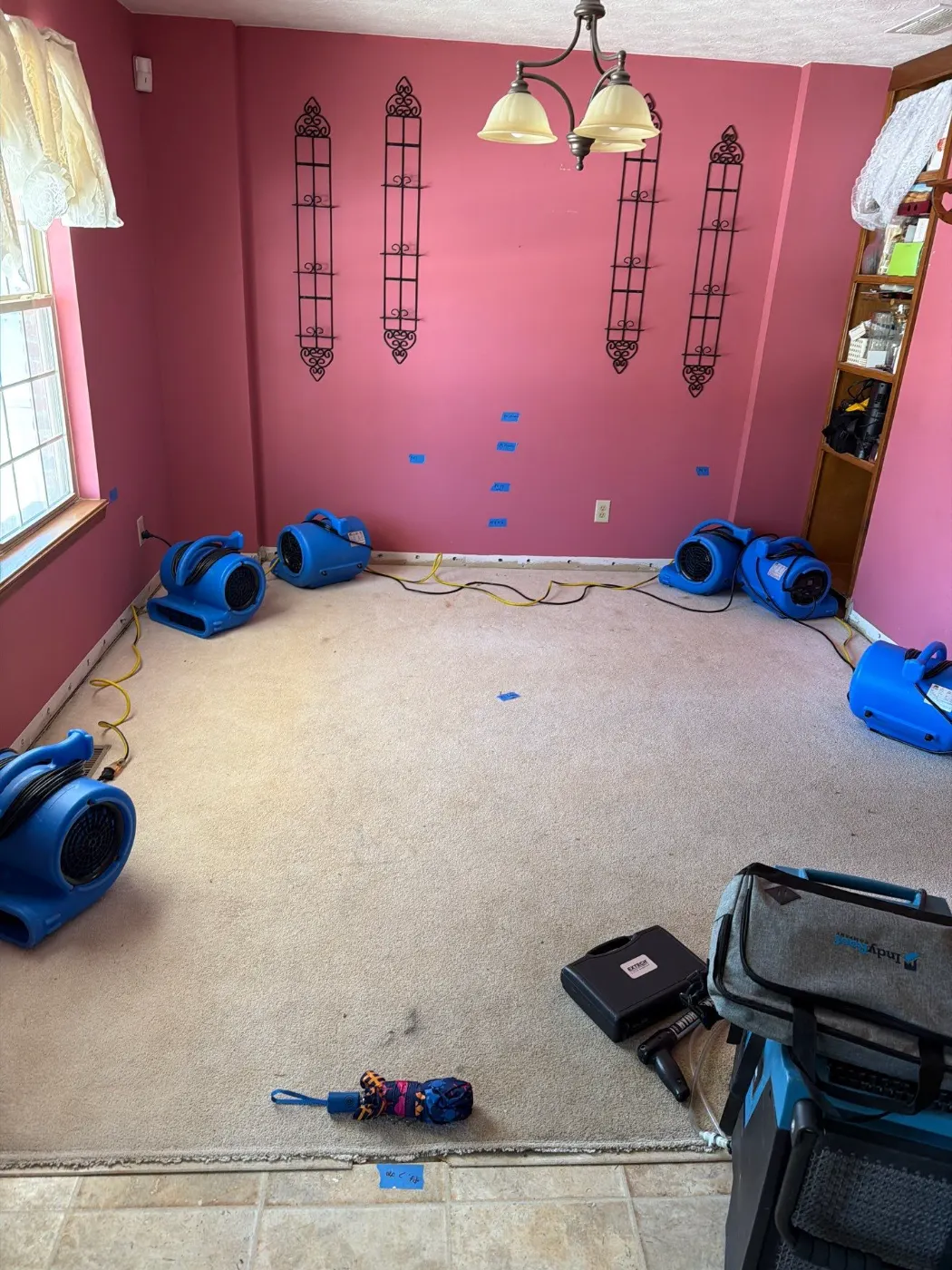
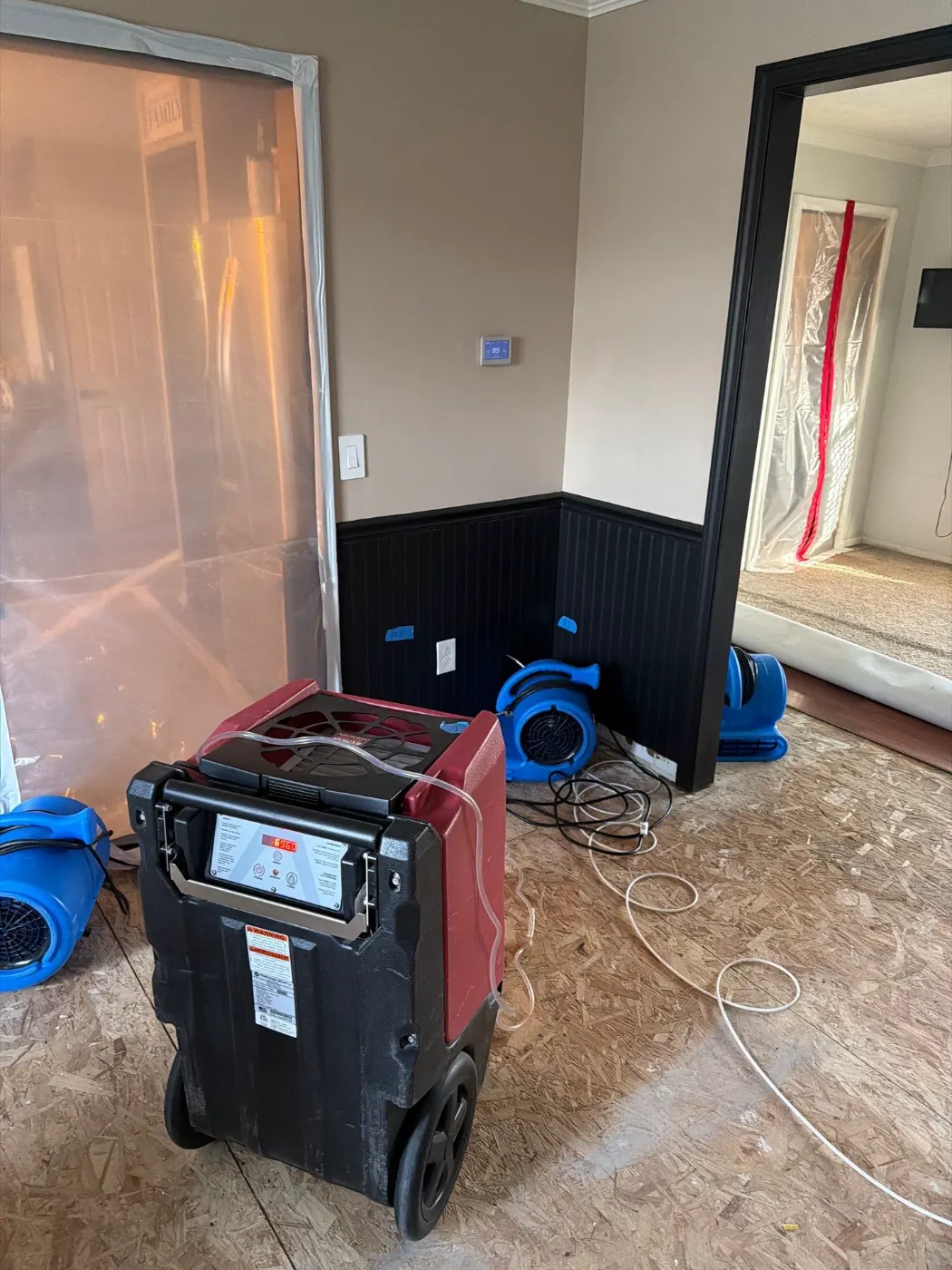
Professional restoration is not finished when the carpet feels dry. It is finished when moisture readings in every affected material fall below the dry standard for your specific building. We document daily readings for three to five days, adjust air movers and dehumidifiers based on the data, and only sign off when the numbers match the unaffected baseline in your home. That documentation is what protects you if a buyer, inspector, or future insurance claim ever questions the repair.
Get a Glendale Crew Moving on Your Burst Pipe Now
Every hour you wait raises the repair cost and the mold risk. Glendale Water Restoration runs IICRC Certified crews across Glendale with documented response times under 90 minutes, transparent itemized pricing, and direct insurance billing. Call now for immediate dispatch, or request a no pressure assessment. If the damage is smaller than you fear, we will tell you directly and hand you a written scope you can act on yourself.
Solution: Extract, Document, and Separate Wet From Dry
You cannot dry materials that are still sitting in standing water. Pull what you can out of the wet zone before professional equipment arrives.
- Lift area rugs and move furniture to a dry room. Place aluminum foil squares under furniture legs that have to stay in place.
- Remove books, photos, and electronics first. Paper is unsalvageable after about six hours of saturation.
- Pull baseboards if water has reached the wall cavity. This lets air reach the studs and slows hidden mold growth.
If the water came from a clean supply line, you are dealing with IICRC Category 1 water. If it sat for more than twenty four hours or traveled through a wall cavity with contaminants, it becomes Category 2. Category determines what can be saved and what has to be removed. Our technicians use moisture meters and thermal imaging to map every wet spot, including the ones you cannot see. The 24 to 48 hour mold window is real, and the clock started the moment the pipe broke.
Frequently Asked Questions
How fast do I need to act after a burst pipe in Glendale?
Within the first hour for shut-off and extraction, and within 24 to 48 hours for full structural drying. After that, Glendale homeowners face real mold risk and higher repair costs.
Will my homeowners insurance cover a burst pipe?
Most policies cover sudden burst pipes, including water damage to floors, walls, and contents. Glendale Water Restoration helps Glendale customers document the loss and bill carriers directly when possible.
Can I dry the area myself with fans?
Surface water sometimes, yes. Hidden moisture inside walls and subfloor, no. Glendale Water Restoration uses thermal imaging and moisture meters to confirm structures are truly dry, which household fans cannot achieve.
How long does professional drying take?
Most Glendale burst pipe jobs dry in 3 to 5 days with commercial equipment. Larger losses or Category 2 and 3 water can extend that timeline to a week or more.
What if mold has already started growing?
If wet materials sat longer than 48 hours, assume mold is present. Glendale Water Restoration performs containment, removal, and remediation, then provides clearance documentation for your insurance file.
Have a restoration question?
Our IICRC certified Glendale crew is ready to help. Free assessments, written scopes, no pressure.